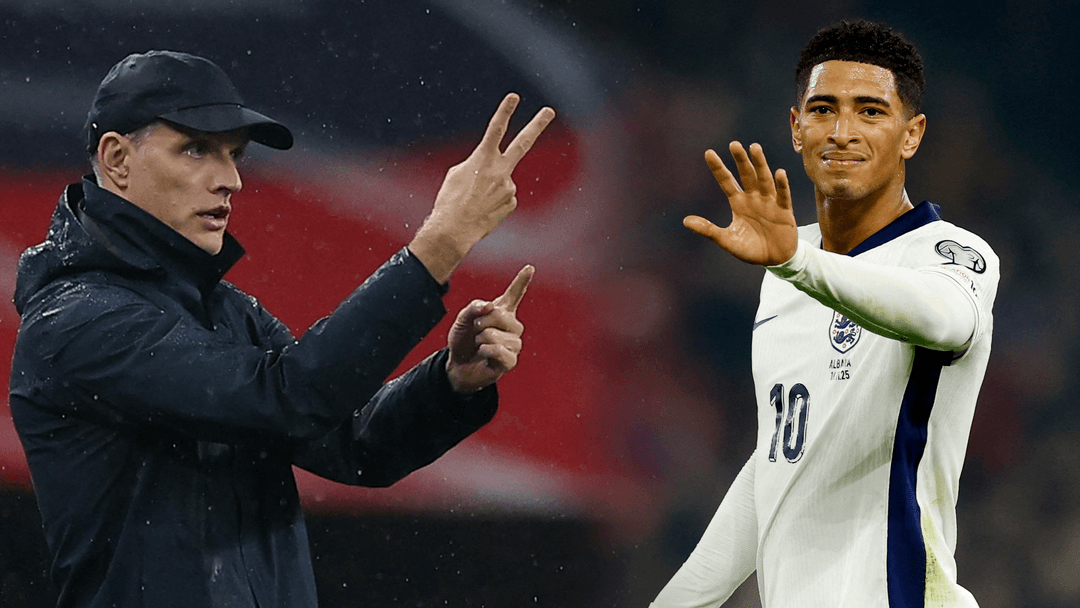
Thomas Tuchel
Introduction to Thomas Tuchel
When people talk about elite football managers in the modern era, Thomas Tuchel’s name always enters the conversation. He is not just a coach who wins trophies — he is a thinker, a strategist, and a perfectionist who reshapes teams with precision. Over the years, Tuchel has built a reputation for tactical intelligence, emotional intensity, and an ability to adapt under pressure.
Unlike managers who rely solely on charisma or legacy, Thomas Tuchel relies on structure, discipline, and innovation. His teams play with purpose. Every pass, every press, and every defensive movement feels calculated. That is why clubs across Europe have trusted him to lead their most ambitious projects.
In this in-depth article, we will explore Tuchel’s journey, philosophy, tactical brilliance, challenges, leadership style, and lasting impact on football. Whether you are a die-hard football fan or just curious about modern coaching greatness, this breakdown will give you a clear and complete picture.
Early Life and Playing Career: The Foundation of a Football Brain
Thomas Tuchel was born in Krumbach, West Germany, in 1973. From a young age, he showed deep interest in football, but his journey to coaching greatness did not begin in glamorous stadiums. It began in modest settings, learning the game step by step.
Thomas Tuchel played as a defender during his early career. He featured for teams such as SSV Ulm 1846, competing in Germany’s lower leagues. While he was never a superstar player, his understanding of positioning and defensive organization stood out. Unfortunately, a chronic knee injury forced him to retire at just 25 years old.
Many players see early retirement as a setback. Thomas Tuchel saw it as an opportunity. Instead of walking away from football, he shifted his focus toward coaching. That decision would define his legacy.
He studied sports science and began working in youth development. These early years shaped his analytical approach. Rather than relying on instinct alone, he combined data, theory, and structured planning — qualities that would later define his elite coaching career.
Rise at Mainz 05: Learning the Art of Leadership
Thomas Tuchel’s first major breakthrough came at 1. FSV Mainz 05. After managing the youth team successfully, he was appointed head coach in 2009. Replacing a respected figure like Jürgen Klopp was no easy task, but Tuchel handled the pressure with maturity.
At Mainz, he quickly proved his tactical versatility. Thomas Tuchel His team often switched formations — from 4-3-3 to 3-5-2 — depending on the opponent. This flexibility made Mainz unpredictable and difficult to break down.
Under Tuchel, Mainz qualified for European competition for the first time in their history. That achievement alone highlighted his impact. He did not inherit a super-squad filled with stars. Instead, he built a system that maximized each player’s strengths.
More importantly, Tuchel showed that he could manage personalities, build discipline, and compete against bigger clubs. His success at Mainz established him as one of Germany’s brightest young managers.
Borussia Dortmund Era: Tactical Brilliance Under Pressure
In 2015, Tuchel took over at Borussia Dortmund. The expectations were massive. Dortmund had just experienced the intense, high-energy era under Klopp, and fans demanded immediate success.
Tuchel did not try to copy his predecessor. Instead, Thomas Tuchel he evolved the system. He focused on positional play, controlled possession, and structured pressing. His Dortmund side scored goals with fluid attacking combinations and intelligent movement.
During the 2015–16 season, Dortmund played some of the most exciting football in Europe. Players like Pierre-Emerick Aubameyang flourished under Thomas Tuchel’s guidance. The team balanced attacking creativity with tactical discipline.
Despite winning the DFB-Pokal, Tuchel’s time at Dortmund ended amid reported disagreements with club executives. This episode revealed a key trait of Thomas Tuchel’s personality: he is uncompromising about his football vision. While this intensity drives success, it can also create friction.
Paris Saint-Germain: Managing Superstars and Expectations
Tuchel’s next chapter brought him to France with Paris Saint-Germain. Managing PSG is unlike managing any other club. The expectations are enormous, and the dressing room includes global superstars.
At PSG, Tuchel had to manage players like Neymar and Kylian Mbappé while delivering European glory. He won domestic titles, including Ligue 1, Thomas Tuchel but his biggest achievement was guiding PSG to their first-ever UEFA Champions League final in 2020.
In that tournament run, Tuchel displayed tactical flexibility. He adapted formations depending on the opponent and found ways to balance defensive solidity with attacking freedom.
Although PSG lost the final, Tuchel proved he could handle elite-level pressure. He showed that he was more than a tactical coach — he was capable of managing egos, expectations, and global scrutiny.
Chelsea Triumph: Conquering Europe
Tuchel’s move to Chelsea F.C. in 2021 changed everything. He arrived mid-season after the departure of Frank Lampard. Within months, he transformed Chelsea’s defensive structure and mentality.
Tuchel implemented a back-three system that made Chelsea extremely difficult to break down. The team became organized, compact, and disciplined. Players who struggled before suddenly found clarity in their roles.
The ultimate reward came when Chelsea won the UEFA Champions League in 2021. Defeating Manchester City in the final, Tuchel demonstrated tactical mastery on the biggest stage.
His Champions League triumph cemented his status among Europe’s elite managers. He achieved what many coaches spend decades chasing — and he did it within months of arrival.
Bayern Munich: A New Challenge in Germany
Tuchel returned to Germany to lead FC Bayern Munich, one of Europe’s most successful clubs. Managing Bayern carries enormous pressure because winning is not optional — it is expected.
At Bayern, Tuchel faced the challenge of maintaining domestic dominance while competing strongly in Europe. The Bundesliga title race intensified, and tactical adjustments became crucial.
His approach remained consistent: structured build-up play, positional discipline, and intelligent pressing. However, Bayern’s demanding environment tested his adaptability and communication skills.
Regardless of short-term results, Tuchel’s presence at Bayern reflects how highly he is regarded within European football circles.
Tactical Philosophy: What Makes Tuchel Unique?
Tuchel is obsessed with details. He studies opponents deeply and prepares specific strategies for each match. His teams rarely look chaotic; they operate like well-trained units.
One of his defining traits is flexibility. Unlike rigid managers who stick to one formation, Tuchel adapts constantly. He can shift between back-three and back-four systems seamlessly.
Defensively, his teams focus on compact spacing and intelligent pressing triggers. Offensively, they emphasize structured build-up play and positional rotations.
Tuchel also values player intelligence. He demands concentration and tactical awareness. That is why players who understand systems thrive under him.
Leadership Style: Intensity and Perfectionism
Tuchel’s personality is intense. He expects maximum effort in training and matches. His sessions are highly detailed, often involving video analysis and tactical drills.
Players frequently describe him as demanding but fair. He challenges individuals to improve but also supports their development.
However, his strong opinions sometimes create tension with club management. Tuchel believes deeply in his football vision, and he does not easily compromise.
This combination of passion, intelligence, and stubbornness defines his leadership style. It can produce extraordinary success — but it also requires mutual understanding within a club’s hierarchy.
Challenges and Criticism
No elite manager escapes criticism, and Tuchel is no exception. Some critics argue that his intense approach can lead to burnout or conflicts.
At times, his relationships with club executives have deteriorated. These disputes often revolve around transfers, squad planning, or long-term strategy.
Additionally, adapting to different leagues presents unique challenges. The Premier League, Ligue 1, and Bundesliga each demand different tactical and cultural adjustments.
Yet, Tuchel consistently proves resilient. Even after difficult departures, he returns stronger and more determined.
Legacy and Influence on Modern Football
Thomas Tuchel’s legacy is already impressive. He has won major domestic trophies and conquered Europe with Chelsea.
Beyond trophies, his influence lies in tactical evolution. Young coaches study his systems. Analysts break down his pressing patterns and defensive shapes.
He represents a modern generation of coaches who combine science, analytics, and emotional intelligence.
As football continues to evolve, Tuchel remains at the forefront of innovation. His journey is far from over, but his impact is undeniable.
Conclusion:
Thomas Tuchel is not just another football manager. He is a strategist who sees the game as a complex puzzle. From Mainz to Dortmund, from Paris to London, and back to Munich, he has consistently left his mark.
His career shows that success in modern football requires intelligence, adaptability, and courage. Tuchel possesses all three.
Whether you admire his tactical genius or question his intensity, one thing is certain: Thomas Tuchel has shaped contemporary football in a powerful way. And as long as he stands on the touchline, the game will continue to evolve.
About the Author