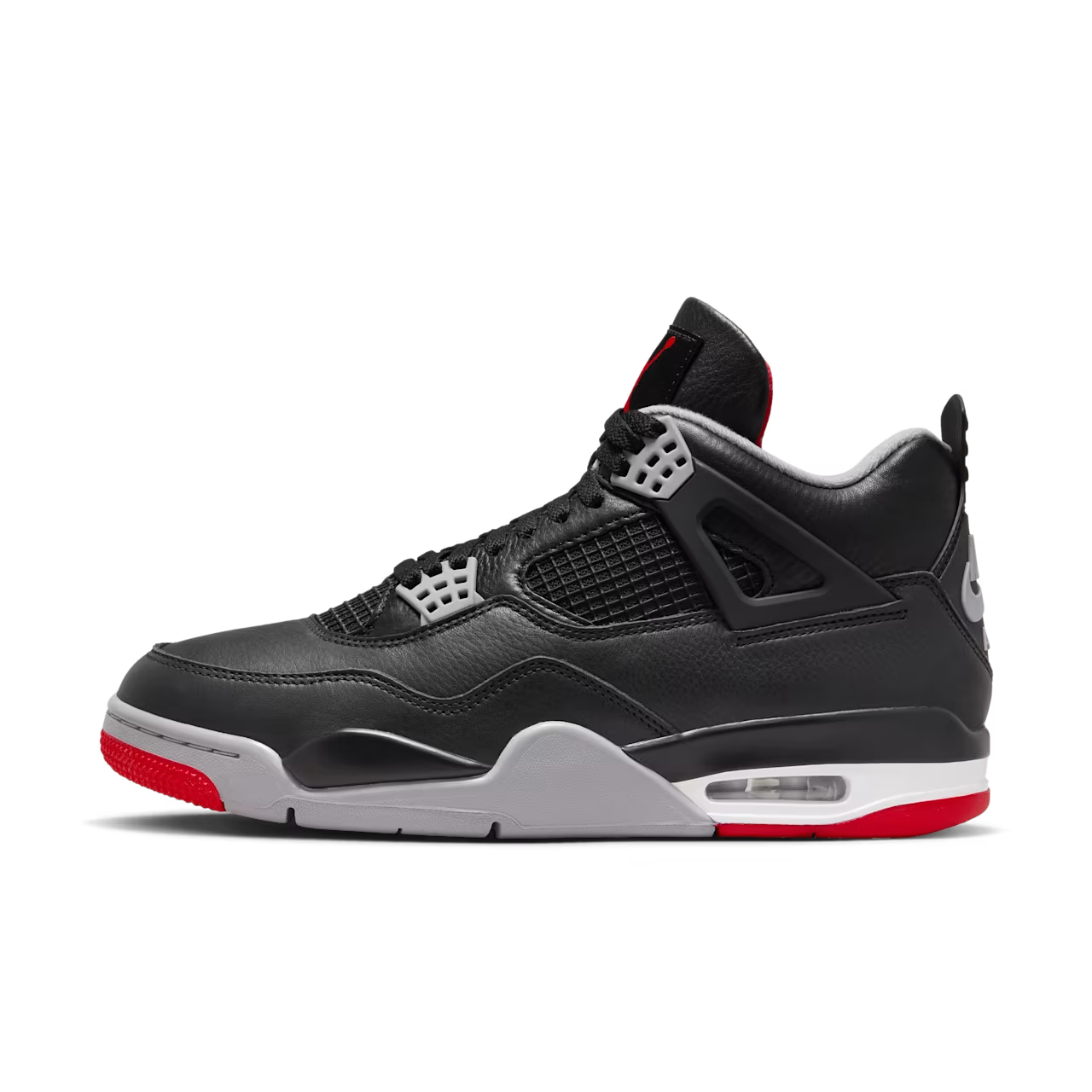
Jordan 4 Retro
Introduction to Jordan 4 Retro
When people talk about iconic sneakers, the Jordan 4 Retro almost always enters the conversation. It is not just another basketball shoe from the late 1980s—it is a cultural milestone. Designed during a time when performance footwear was rapidly evolving, this silhouette bridged the gap between function and fashion in a way few sneakers ever have. Even decades later, it remains one of the most sought-after models in the Air Jordan lineup.
The story of the Jordan 4 Retro begins with Michael Jordan, whose influence on basketball and popular culture was already skyrocketing by the late ’80s. After the success of the earlier Air Jordan models, expectations were high. Fans wanted innovation, style, and performance improvements. The fourth installment delivered all of that—and more.
This model was originally released in 1989, at a time when basketball shoes were becoming more expressive. Bright colors, bold paneling, and visible Air cushioning were not just technical features; they were statements. The Jordan 4 introduced a new design language that instantly stood out on and off the court.
Today, the Retro version revives that same magic. Whether you are a sneaker collector, a basketball enthusiast, or someone who simply appreciates timeless design, the Jordan 4 Retro represents a perfect blend of heritage and modern appeal.
The Origins of the Air Jordan 4
The original Air Jordan 4 Retro was created under the Nike umbrella and designed by the legendary Tinker Hatfield. Hatfield had already changed the sneaker world with the Air Jordan 3, and he carried that innovation into the fourth model. His goal was to refine performance while maintaining strong visual identity.
One of the most notable aspects of the Jordan 4 was its construction. It introduced mesh side panels for breathability and plastic wing eyelets for customizable lacing support. This made the shoe both lightweight and structurally sound—an important balance for a player like Michael Jordan, whose explosive style required dependable footwear.
The Jordan 4 also gained major attention during the 1989 NBA Playoffs. Jordan famously hit “The Shot” against the Cleveland Cavaliers while wearing this model. That moment cemented the sneaker’s place in basketball history. It was no longer just footwear—it was part of a defining sports narrative.
Beyond performance, the design signaled a shift. The shoe featured a bold midsole, visible Air unit, and unique heel branding. It managed to look futuristic without losing its athletic roots. That duality became one of the core reasons why the Jordan 4 continues to thrive in retro releases today.
What Makes the Jordan 4 Retro Special?
The term “Retro” refers to re-releases of original Air Jordan models with updated production runs. The Jordan 4 Retro stays faithful to the 1989 design while sometimes incorporating modern material upgrades. For sneaker enthusiasts, this means you get the nostalgia factor along with improved comfort and durability.
One major appeal is versatility. The Jordan 4 Retro works just as well in casual outfits as it does in athletic settings. Pair it with jeans, joggers, or even shorts, and it holds its presence. Its structured silhouette and bold overlays give it a premium, confident look that complements streetwear culture perfectly.
Another standout feature is the colorway variety. Over the years, Nike and Jordan Brand have released numerous editions, from classic “Bred” and “White Cement” versions to limited collaborations. Each release sparks excitement and often sells out quickly, fueling the resale market and sneaker hype culture.
Collectors appreciate the Jordan 4 Retro because it balances rarity and accessibility. While some editions are limited, the model itself is consistently revisited. This keeps it relevant across generations, allowing new fans to experience a piece of sneaker history firsthand.
Performance Features and Comfort
Although many people wear the Jordan 4 Retro as a lifestyle shoe, it was built for performance. The visible Air cushioning in the heel absorbs impact, which was revolutionary at the time of its original release. Even today, it offers solid support for casual basketball play.
The shoe’s mid-cut design provides ankle stability without restricting movement. Combined with the supportive lacing system, it locks the foot securely in place. For players who value control and balance, these features make a noticeable difference.
Breathability also plays a role. The mesh side panels and tongue ventilation allow airflow, reducing heat buildup during activity. While modern basketball shoes may offer lighter materials, the Jordan 4 Retro still holds its own in comfort for everyday wear.
Underfoot, the rubber outsole features a herringbone traction pattern. This ensures grip on indoor courts and solid traction on urban surfaces. While sneaker technology has advanced significantly, the Jordan 4 Retro remains impressively functional decades after its debut.
Cultural Impact Beyond the Court
Few sneakers have crossed over into pop culture as effectively as the Jordan 4. It appeared in music videos, movies, and fashion editorials, expanding its influence far beyond sports. In 1989, the shoe was prominently featured in a campaign directed by Spike Lee, who played the character Mars Blackmon. That collaboration amplified its cool factor dramatically.
The Jordan 4 became a symbol of status in urban communities. Owning a pair meant you were tapped into basketball culture and street style simultaneously. It was aspirational yet wearable, making it a powerful fashion statement.
Over the years, high-profile collaborations have kept the model relevant. Designers and brands reinterpret the silhouette, blending luxury elements with its athletic roots. These collaborations often sell out instantly, proving that demand has never faded.
The sneaker’s ability to stay culturally significant for more than three decades speaks volumes. Trends change quickly in fashion, but the Jordan 4 Retro continues to adapt without losing its identity. That longevity is rare and deeply respected in sneaker culture.
Popular Colorways and Limited Releases
Some Jordan 4 Retro colorways are legendary. The “Bred” (black and red) edition is perhaps the most iconic, closely tied to Michael Jordan’s on-court legacy. The “White Cement” version, with its speckled detailing, remains a fan favorite for its clean yet bold aesthetic.
Limited releases often drive the biggest hype. Collaborations with artists, designers, and boutiques bring fresh materials and storytelling elements to the silhouette. These drops typically sell out within minutes, sometimes leading to resale prices that far exceed retail.
Seasonal and regional exclusives also add to the appeal. Sneaker collectors often track release calendars carefully, hoping to secure pairs before they disappear. The thrill of the hunt has become part of the Jordan 4 Retro experience.
Despite the high demand, Jordan Brand frequently reintroduces classic colorways. This strategy keeps the model accessible to new generations while maintaining its iconic status.
Styling the Jordan 4 Retro
One reason for the shoe’s enduring popularity is how easy it is to style. Its bold yet balanced design works across various fashion aesthetics. Streetwear enthusiasts often pair it with oversized hoodies and tapered pants for a modern look.
For a more classic approach, slim jeans and a simple graphic tee highlight the sneaker as the focal point. Because the Jordan 4 Retro has strong visual lines, it naturally draws attention without overpowering the outfit.
Even in smart-casual settings, it can work when styled thoughtfully. Neutral colorways blend seamlessly with minimalist wardrobes, while brighter versions add personality to monochrome outfits.
Ultimately, the Jordan 4 Retro thrives because it adapts. Whether you lean toward sporty, edgy, or clean aesthetics, it fits in effortlessly.
Investment and Resale Value
Sneakers have evolved into investment pieces, and the Jordan 4 Retro is often at the center of that conversation. Limited editions can appreciate significantly in value over time, especially if kept in pristine condition.
Collectors pay attention to release numbers, collaboration details, and historical significance. Certain versions tied to major events or influential designers tend to perform best in the resale market.
However, beyond monetary value, there is emotional value. For many, owning a pair represents nostalgia, cultural appreciation, or admiration for Michael Jordan’s legacy. That emotional connection often outweighs financial considerations.
Still, if you are interested in sneaker investing, the Jordan 4 Retro is considered a relatively stable and respected model in the resale ecosystem.
Conclusion:
The sneaker industry is crowded with new releases every week, yet the Jordan 4 Retro consistently stands out. Its design feels both vintage and contemporary, which is a rare balance to achieve.
Its connection to Michael Jordan’s legendary career ensures that it will never lose relevance. As long as basketball history is celebrated, this shoe will have a place in the conversation.
Moreover, the craftsmanship and silhouette are instantly recognizable. Even people who are not hardcore sneaker enthusiasts can identify the Jordan 4’s distinctive wing eyelets and mesh panels.
In the end, the Jordan 4 Retro is more than a shoe. It is a cultural artifact, a performance innovation, and a fashion staple all at once. That combination guarantees its place not just in sneaker collections, but in history itself.
About the Author