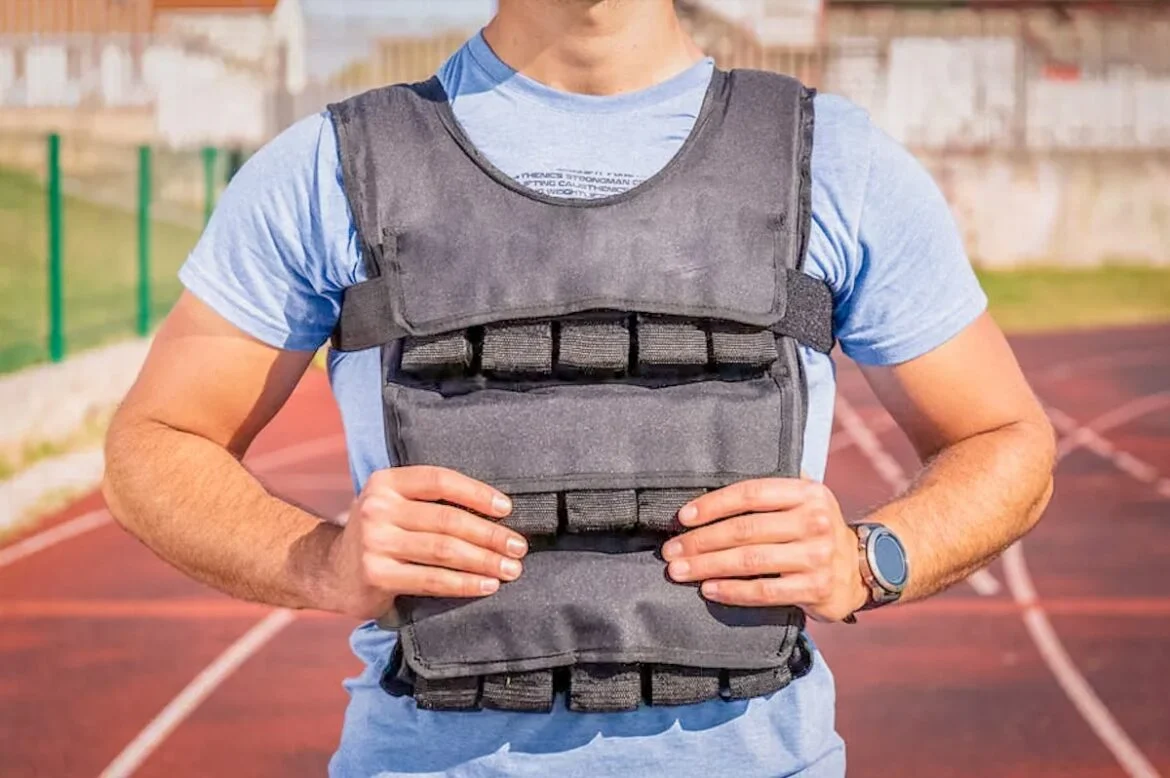
weighted vest
Weighted vests have become increasingly popular among fitness enthusiasts, athletes, and even everyday users looking to enhance their workouts. While it might seem like just a heavy piece of clothing at first glance, a weighted vest is a versatile training tool that can transform the way your body moves, builds strength, and improves endurance. In this article, we’ll dive deep into the benefits, types, safety considerations, and training tips for anyone interested in using a weighted vest effectively.
What is a Weighted Vest?
At its core, a weighted vest is a piece of wearable equipment designed to add extra weight to your body during physical activity. Typically, these vests have pockets that hold small weights made of metal, sand, or other dense materials. The weight distribution is usually even across the torso to avoid straining any specific area. Depending on the model, the vest can range from as light as 2 pounds (about 1 kg) to over 50 pounds (22 kg) for serious strength and conditioning training.
The concept is simple yet powerful: by adding resistance to your bodyweight exercises or regular movement, you increase the intensity of your workout without changing your technique. This makes weighted vests suitable for a wide range of fitness goals, from building strength and endurance to enhancing cardiovascular fitness and improving posture.
One of the most appealing aspects of weighted vests is their versatility. They can be worn during walking, running, bodyweight exercises like push-ups and squats, or even during sports practice. For athletes, this means a portable way to add resistance without the need for machines or heavy gym equipment. And for fitness enthusiasts at home, it’s an efficient tool to challenge the body in new ways.
Finally, weighted vests are not just for young or elite athletes—they are increasingly being used in rehabilitation and elderly fitness programs. Studies have shown that wearing a weighted vest can improve bone density, help manage body composition, and even aid in balance and coordination. When used properly, they are safe, effective, and adaptable to a wide range of fitness levels.
Benefits of Using a Weighted Vest
The benefits of incorporating a weighted vest into your training routine are numerous. One of the most immediate effects is an increase in calorie burn. Since your body has to work harder to move the extra weight, you expend more energy during the same exercise. For example, walking with a 10-20 pound weighted vest can burn significantly more calories compared to walking without one, making it an excellent tool for weight loss and fat burning.
Strength development is another major benefit. Weighted vests challenge your muscles by increasing the load during functional movements. Exercises like pull-ups, squats, push-ups, or lunges become more demanding, leading to improved muscle tone, endurance, and overall strength. Over time, this added resistance can accelerate muscle growth and conditioning without requiring heavy barbells or machines.
Cardiovascular fitness also improves when using a weighted vest. By increasing the intensity of aerobic exercises like walking, running, or stair climbing, your heart and lungs have to work harder, which can enhance stamina and overall cardiovascular health. Some studies even suggest that wearing a weighted vest can improve VO2 max, a measure of the body’s ability to utilize oxygen efficiently during exercise.
Weighted vests also promote better posture and bone health. The added weight encourages the body to engage the core muscles for stability, which can translate to improved posture in everyday activities. Additionally, the load-bearing effect stimulates bone remodeling, which may increase bone density over time—a crucial factor for aging adults or those at risk of osteoporosis. The combination of muscle engagement, cardiovascular challenge, and bone stimulation makes weighted vests a well-rounded tool for holistic fitness.
Types of Weighted Vests
Weighted vests come in various designs, each suited to different training needs. The first type is the adjustable weighted vest, which allows users to add or remove small weight packets. These are ideal for beginners who want to gradually increase resistance or for athletes who use the vest for different types of exercises. Adjustable vests are also convenient because they let you tailor the weight for walking, running, or strength training.
Next is the fixed-weight vest, which has a set weight and is usually constructed from a single piece of heavy-duty material. While less versatile than adjustable vests, fixed-weight versions are sturdy and often more comfortable for consistent use. Serious athletes may prefer them for high-intensity workouts because they can handle heavier loads without shifting or creating discomfort.
There are also sport-specific weighted vests, designed for particular activities such as basketball, running, or bodyweight circuit training. These vests often have ergonomic designs to allow freedom of movement, ventilation for comfort, and a snug fit to prevent bouncing during dynamic activities. Some even incorporate extra features like reflective strips for outdoor use or hydration pouches for long-duration training sessions.
Finally, you’ll find therapy or rehabilitation vests, which are lighter and designed for specific physical therapy applications. These vests are used under professional guidance to improve balance, joint stability, and muscle strength in recovering patients or older adults. They are typically made with softer materials and smaller weights to ensure safety while still providing measurable benefits.
How to Use a Weighted Vest Safely
Using a weighted vest improperly can lead to injury, so it’s essential to approach training with caution and awareness. Start by selecting a weight that is manageable—generally, beginners should use a vest that is no more than 5-10% of their body weight. Gradually increase the weight as your strength, endurance, and comfort improve. Overloading too quickly can strain muscles, joints, and ligaments.
Form is key. Whether you’re doing squats, lunges, or push-ups, maintain proper technique. The vest should not interfere with your range of motion or compromise your posture. Pay attention to your core engagement, breathing, and alignment to prevent unnecessary stress on your back or knees. In some cases, a weighted vest can exacerbate preexisting injuries if not used carefully, so consult a fitness professional or physical therapist if you have any concerns.
Duration and frequency also matter. For beginners, start with short sessions—10 to 20 minutes at a time—and slowly increase as your body adapts. Even advanced users should avoid wearing a weighted vest for excessively long periods, as constant added load can lead to fatigue and joint stress. Listen to your body, and make adjustments to weight, time, or exercise type as needed.
Finally, consider the fit and comfort of the vest. A poorly fitted vest can shift during movement, cause chafing, or restrict breathing. Choose one that conforms well to your torso, has adjustable straps, and provides padding in key areas. Comfort is not just a convenience—it’s a safety factor that ensures you can train effectively without risking injury.
Weighted Vests for Different Workouts
Weighted vests can be incorporated into virtually any type of workout. For cardio training, wearing a vest during walking, jogging, or hiking increases intensity without adding extra equipment. It forces your muscles and cardiovascular system to work harder, improving endurance and calorie burn. Interval training with a vest is also highly effective for conditioning, as alternating between high-intensity and low-intensity movement while wearing weight challenges both aerobic and anaerobic systems.
In strength training, weighted vests amplify bodyweight exercises. Push-ups, pull-ups, dips, lunges, and squats become more challenging, helping to increase muscle mass and endurance. For home workouts without access to barbells or dumbbells, a weighted vest is a convenient alternative that provides progressive overload—a key principle for muscle growth.
Sports performance is another area where weighted vests shine. Athletes in basketball, football, or martial arts use them to improve explosive power, speed, and agility. Training with added weight forces muscles to recruit more fibers, enhancing overall performance. Some coaches also recommend using a vest during skill drills to simulate resistance and improve neuromuscular adaptation.
Finally, weighted vests are effective in rehabilitation and functional fitness. By adding gentle resistance, they help improve bone density, joint stability, and balance in older adults or recovering patients. Exercises like standing, stepping, or slow squats with a light vest can enhance functional mobility, reduce the risk of falls, and promote overall physical health.
Choosing the Right Weighted Vest
Selecting the right weighted vest depends on your goals, body type, and workout preferences. For beginners, lightweight, adjustable vests are recommended because they offer flexibility and gradual progression. Intermediate users may prefer a moderate fixed-weight vest that challenges them during workouts without shifting or bouncing. Advanced users can explore heavier vests or sport-specific designs for high-intensity training.
Material and design are equally important. Look for vests made from durable, breathable fabric that can withstand repeated use. Padding in shoulder and chest areas improves comfort, especially during long sessions. Adjustable straps and secure closures ensure the vest stays in place, preventing unnecessary movement or chafing.
Consider your workout routine when choosing weight distribution. Some vests distribute weight evenly across the torso, while others focus more on the back or chest. Even distribution is ideal for general fitness, while specialized placements may be better suited for sport-specific training or rehabilitation purposes.
Finally, check user reviews and expert recommendations. The best weighted vests combine durability, comfort, and functionality. Investing in a quality vest ensures long-term safety, reliability, and the ability to maximize your training results.
Common Mistakes to Avoid
Despite their simplicity, weighted vests can be misused, which diminishes benefits and increases injury risk. A common mistake is starting with too much weight too soon. Beginners often overestimate their strength, leading to poor form, back strain, or joint pain. Start light and gradually increase the load over weeks, not days.
Another mistake is neglecting proper posture and core engagement. Wearing a vest does not replace good form; in fact, poor technique with added weight can accelerate injury. Focus on alignment, controlled movement, and breathing, especially during exercises like squats or push-ups.
Some users wear a vest for extended periods outside of workouts, thinking it will increase calorie burn passively. While occasional use during daily activities is fine, constant use can lead to fatigue, muscle imbalance, or joint stress. Weighted vests are a tool for structured training, not continuous wear.
Finally, choosing an ill-fitting vest is a frequent error. A vest that slides or bounces during movement creates discomfort and increases injury risk. Always ensure a snug fit with adjustable straps, padding, and even weight distribution to get the most out of your training.
Conclusion
Weighted vests are a versatile and powerful tool that can elevate workouts for beginners, athletes, and older adults alike. They offer a unique combination of strength, endurance, cardiovascular, and functional fitness benefits. From calorie burning and muscle growth to improving bone density and posture, the advantages are numerous when used safely and correctly.
The key to success with a weighted vest is understanding your goals, starting with manageable weight, maintaining proper form, and gradually progressing as your body adapts. Whether you’re walking in the park, performing home workouts, or training for a sport, a weighted vest can add a new dimension to your fitness journey.
When chosen thoughtfully and incorporated wisely, a weighted vest is more than just a piece of gear—it’s a transformative training tool that challenges your body, enhances performance, and supports long-term health and fitness.
About the Author